Meeting tight phosphorus limits while reducing chemical use | Lessons from Oconomowoc WWTF
The Oconomowoc Wastewater Treatment Facility (WWTF) has achieved five consecutive years of reliable phosphorus compliance by using the Alyza IQ PO4 orthophosphate analyzer to automate ferric chloride dosing. As phosphorus effluent limits continue to tighten nationwide, the facility sought a consistent and data-driven method to maintain its 0.95 mg/L total phosphorus (TP) limit while minimizing unnecessary chemical use.
Oconomowoc WWTF in Wisconsin treats an average of 2.4 million gallons per day (MGD) and historically relied on laboratory TP results to guide ferric dosing. This approach introduced time delays and variability in chemical feed rates. By implementing online orthophosphate monitoring, operators can respond to real-time plant conditions, stabilize effluent phosphorus concentration, and reduce the risk of overdosing expensive chemicals – all while achieving significant cost savings on ferric chloride and ensuring regulatory compliance.
Reducing chemical usage with real-time orthophosphate data
To consistently maintain effluent phosphorus limits without overfeeding ferric chloride, Oconomowoc WWTF implemented continuous, online PO4 monitoring. Operations Manager Kevin Freber previously achieved a 25% reduction in ferric use at Watertown WWTP using YSI’s legacy P700 orthophosphate analyzer. Drawing from that success, Oconomowoc installed the upgraded Alyza IQ PO4 in 2020.
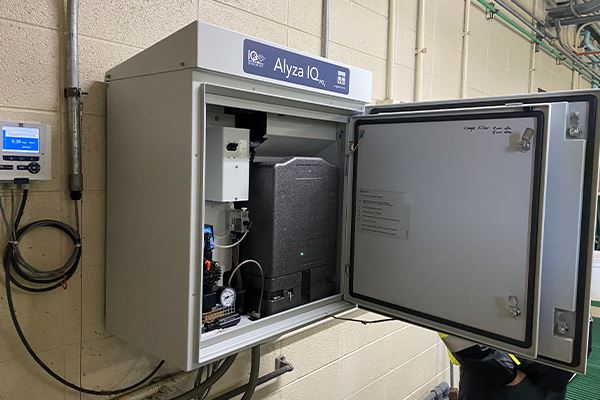
Figure 1: Alyza IQ PO4 analyzer installed at the effluent of Oconomowoc WWTF, providing real-time feedback for automated ferric dosing control.
The analyzer is located at the plant effluent, about three hours downstream of the ferric dosing point in the aeration basins. This setup provides a critical feedback point for ensuring compliance with final effluent phosphorus limits. The analyzer delivers high-accuracy, low-level PO4 measurements for effluent monitoring and control.
Automated ferric chloride dosing strategy
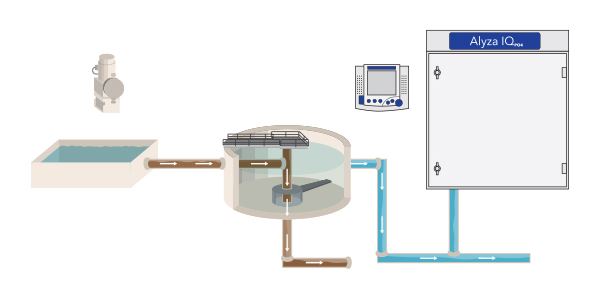
Figure 2: Feedback control diagram showing ferric dosing adjustments based on orthophosphate measurements from the Alyza IQ PO4 analyzer.
The analyzer measures orthophosphate every 15 minutes and communicates values directly to SCADA. Oconomowoc uses a stepwise control strategy to adjust two ferric dosing pumps, targeting a setpoint of 0.52 mg/L orthophosphate. This maintains results well below the TP permit limit and provides operational confidence through seasonal and flow-related variations.
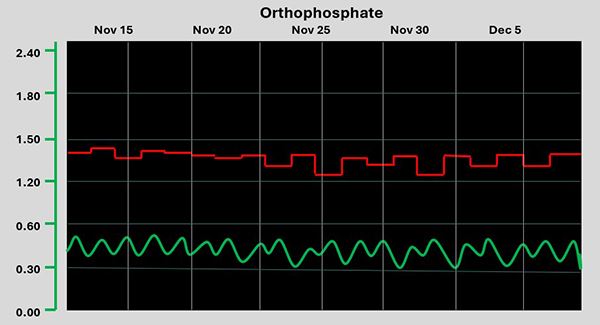
Figure 3: SCADA trend showing orthophosphate levels (green) and ferric dosing response (red).
Five years of stable phosphorus compliance
Since the Alyza IQ PO4 was installed in 2020, Oconomowoc WWTF has consistently met its phosphorus effluent requirements, with only one exceedance due to a toxic waste event. The analyzer’s reliable performance has eliminated the need for daily grab sample-based adjustments.
A comparison of daily TP laboratory samples with online orthophosphate readings showed strong agreement.
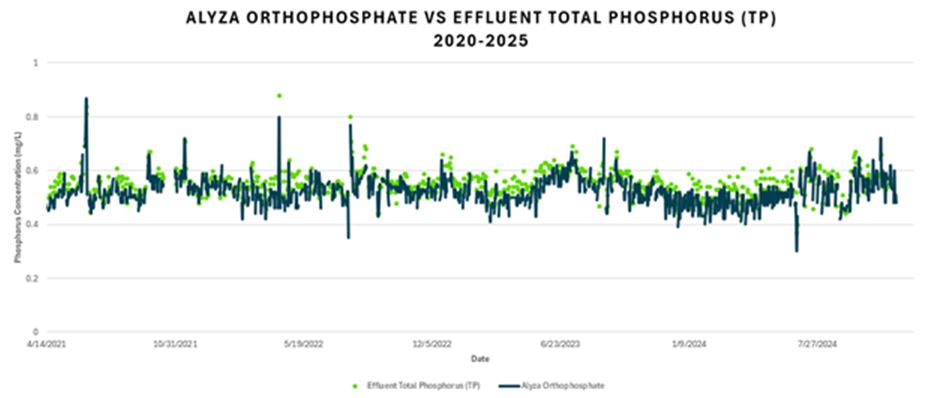
Figure 4: Final effluent TP concentrations compared to Alyza PO4 orthophosphate readings, 2020-2024.
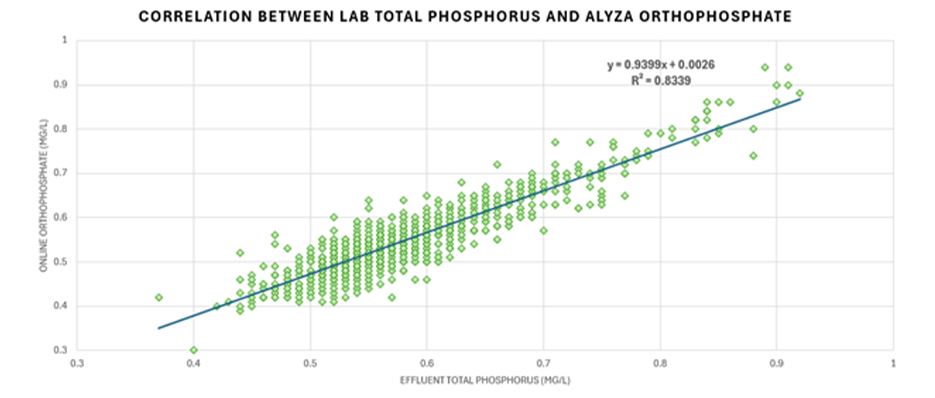
Figure 5: Correlation between effluent TP grab samples and daily average orthophosphate readings, 2020-2024.
Ferric chloride usage trends closely with both analyzer and laboratory data, indicating stable dosing and minimal variability. This has resulted in predictable chemical costs and efficient operation.
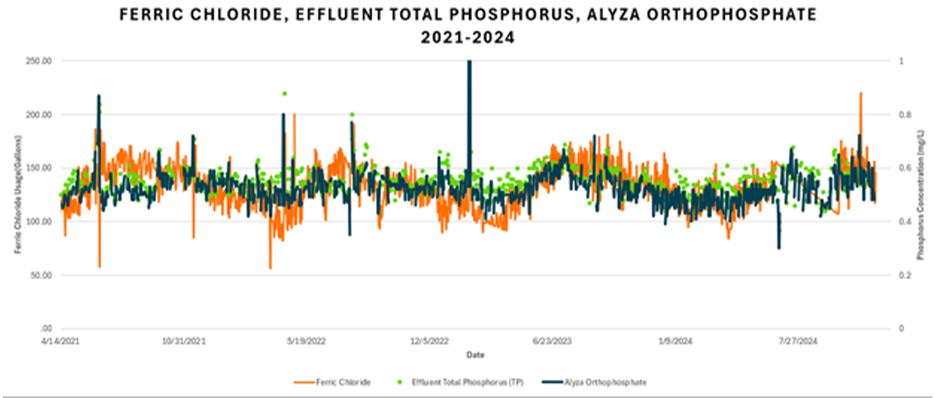
Figure 6: Ferric usage (orange), final effluent TP (green), and orthophosphate (dark blue), 2021-2024.
Low-maintenance operation for reliable performance
The Alyza IQ PO4 has demonstrated long-term stability with routine low-intensity maintenance:
- Sample filter cleaning: every two weeks.
- Reagent and mixing valve replacement: every six months.
- Sample filter replacement: annually.
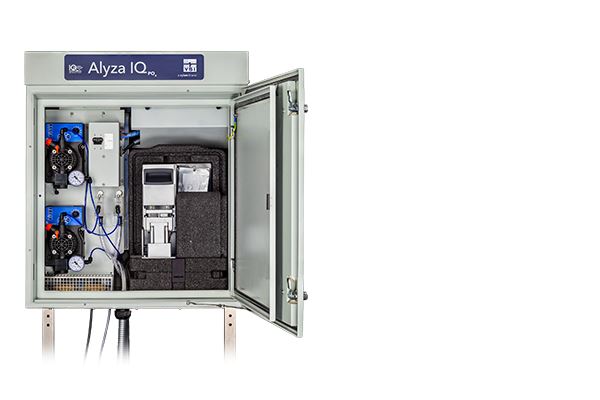
Figure 7: YSI Alyza PO4 analyzer
Broader impact and utility benefit
Oconomowoc’s success highlights the value of automated orthophosphate monitoring for achieving:
- Consistent phosphorus compliance
- Reduced ferric chloride usage and predictable chemical costs
- Lower operational variability
- Improved confidence in chemical feed decisions
By integrating high-accuracy online monitoring with stepwise chemical control, the facility has removed uncertainty from ferric dosing and improved effluent quality. The use of the Alyza IQ PO4 provides a reliable approach for wastewater treatment plants seeking to optimize phosphorus removal while controlling chemical costs.
Conclusion
Oconomowoc’s experience demonstrates how real-time orthophosphate monitoring transforms phosphorus removal from a reactive process into a proactive, data-driven strategy. By leveraging the Alyza IQ PO4 analyzer, the facility not only met stringent phosphorus limits but also optimized chemical dosing for cost efficiency.
Key benefits
- Regulatory confidence: Consistent compliance with a 0.95 mg/L TP limit
- Cost savings: Significant reduction in ferric chloride usage and predictable chemical expenses
- Operational efficiency: Automated dosing minimizes variability and manual intervention
- Long-term reliability: Low-maintenance analyzer ensures stable performance over years
Explore more
Want the full story?
Dive deeper into Oconomowoc’s approach and read the detailed application note: Automated phosphorus control at Oconomowoc WWTF drives compliance
Looking for broader phosphorus insights?
Download our free e-book to explore best practices, challenges, and solutions for phosphorus removal in wastewater: Phosphorus in Wastewater – Challenges and Solutions

Sources:
- Keven Freber, Interview by Adrienne Stenz. Operations Manager, Oconomowoc WWTF. Conducted December 2024.