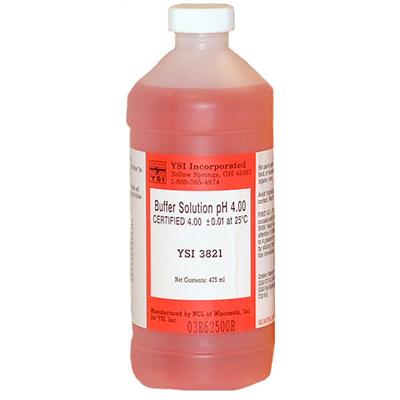
pH Buffer
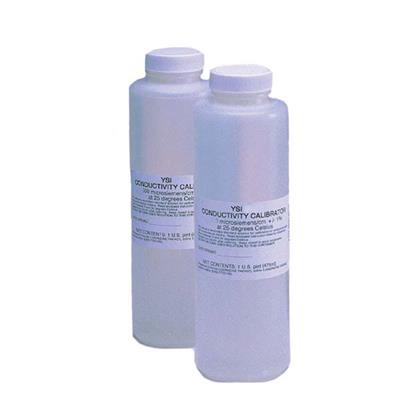
Conductivity Calibrator Solution
Optical Self stirring BOD probe with temperature sensor, IDS
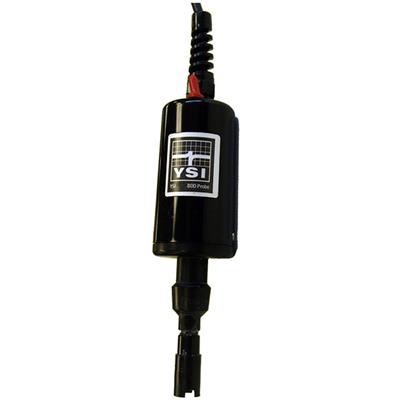
Self-stirring, polarographic, membrane-covered BOD probe
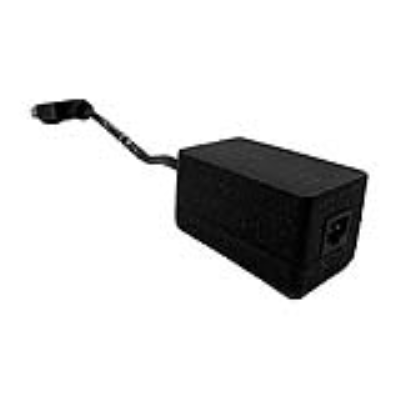
Adaptor Cable
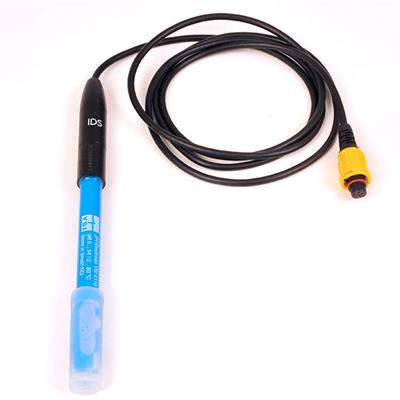
Combination pH and temperature, Plastic, Gel filled, digital, double junction probe, 1.5 meter cable
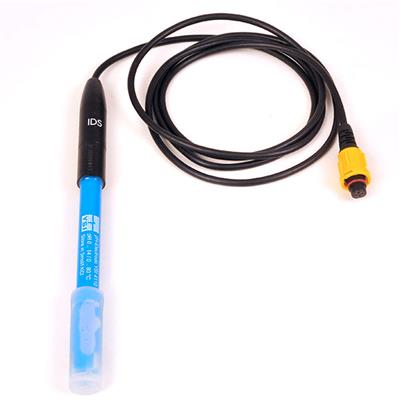
Combination pH and temperature, Plastic, Gel filled, digital, double junction probe, 3 meter cable
Combination pH and temperature, plastic, 3 mol KCl, digital,double junction, 1.5 meter cable, refillable reference
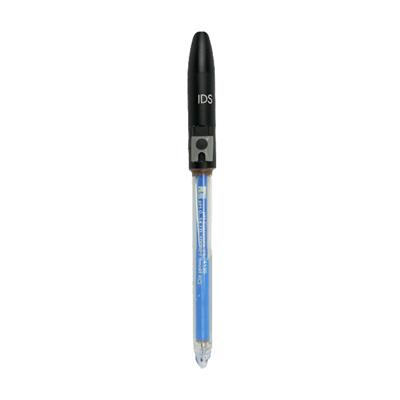
Combination pH and temperature, Glass, 3 mol KCL, digital, double junction probe, 1.5 meter cable, refillable reference
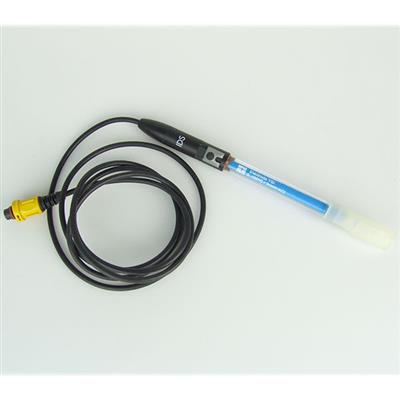
ORP and temperature, glass, 3 mol KCl, digital, double junction probe with refillable reference, 1.5 meter cable
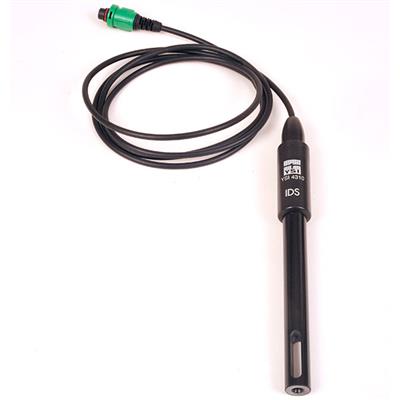
Conductivity and temperature, Epoxy body, 4-graphite electrodes, digital probe, 1.5 meter cable
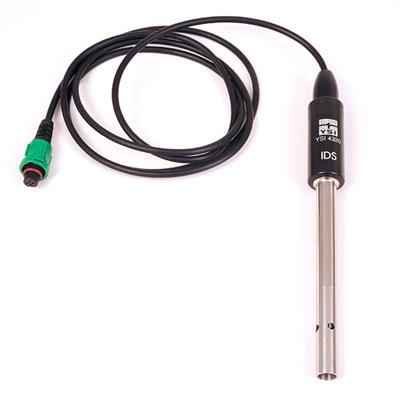
Conductivity and temperature, Stainless Steel body, 2-electrodes, digital probe, 1.5 meter cable
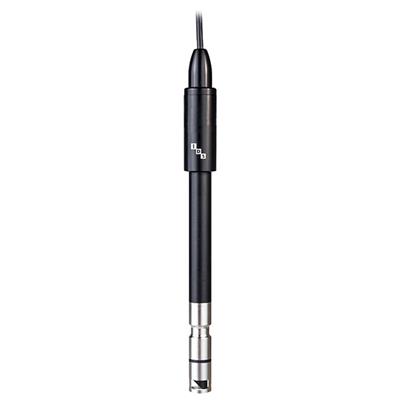
Fluorescent dissolved oxygen (FDO) probe with temperature sensor
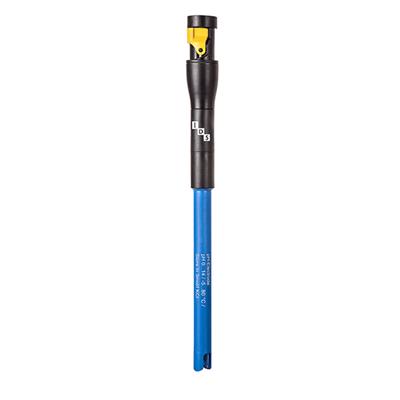
Wireless pH and temperature, plastic, gel, digital, double junction probe
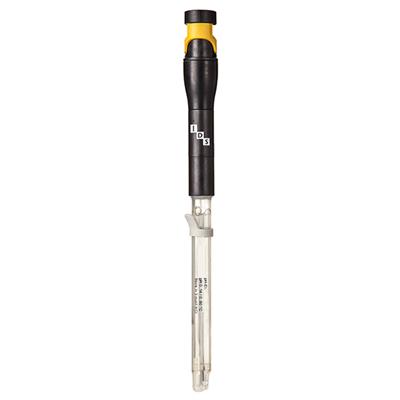
Wireless pH and temperature, plastic, 3 mol KCl, digital, double junction probe with refillable reference
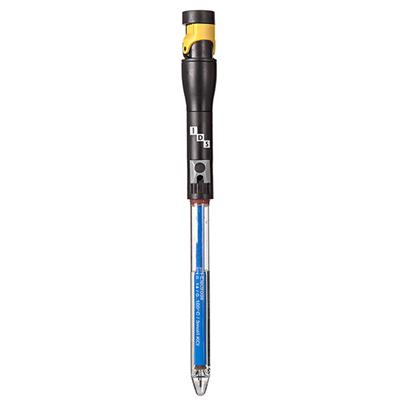
Wireless pH and temperature, glass, 3 mol KCL, digital, double junction probe with refillable reference
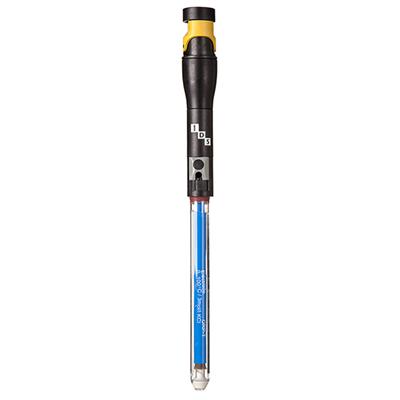
Wireless ORP, glass, 3 mol KCl, digital, double junction probe with refillable reference
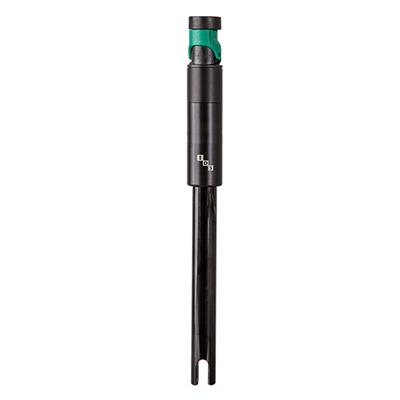
Wireless conductivity and temperature, epoxy body, 4-graphite electrodes, digital probe, K= 0.475 cm-1
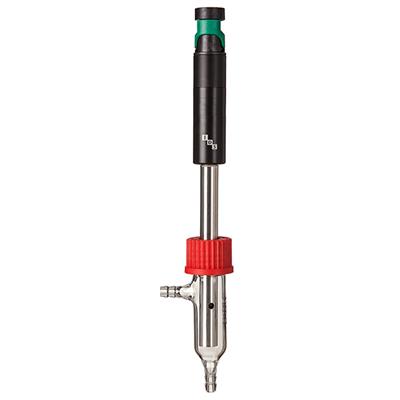
Wireless conductivity and temperature, stainless steel body, 2-electrodes, digital probe, K = 0.1 cm-1
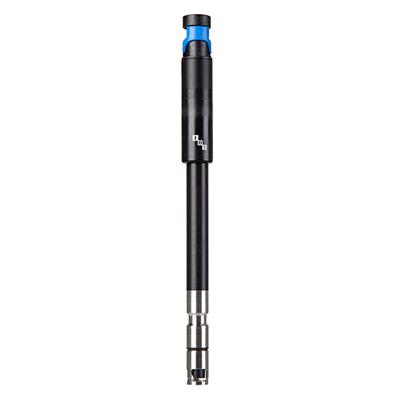
Wireless fluorescent dissolved oxygen (FDO) probe with temperature
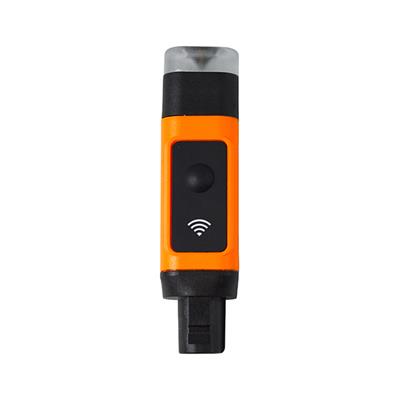
WA-S wireless sensor module
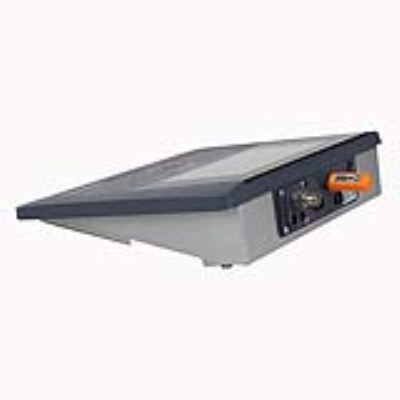
WA-M wireless meter module
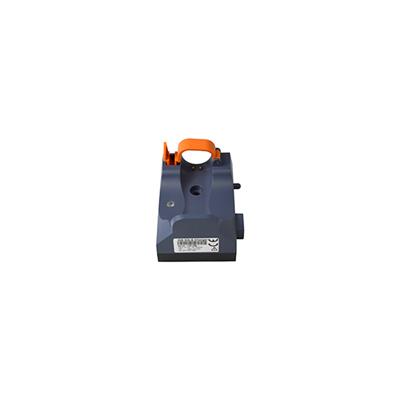
Charger for MultiLab WA-S wireless sensor module
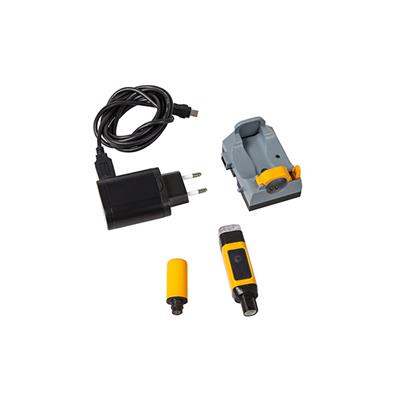
Kit with WA-S wireless sensor module, WA-M wireless meter module, charger for WA-S modules, and USB power supply
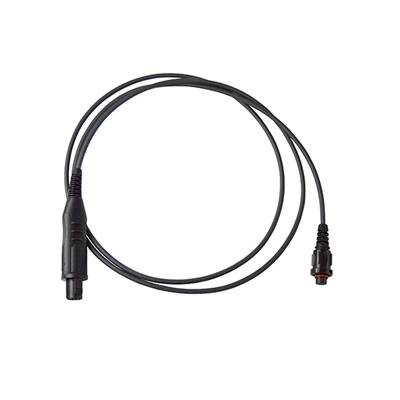
Cables for Wireless MultiLab Sensors
%20600x600.jpg)
Calibration kit for IDS pH electrodes; 3 ampules: 4.01, 6.86, 9.18
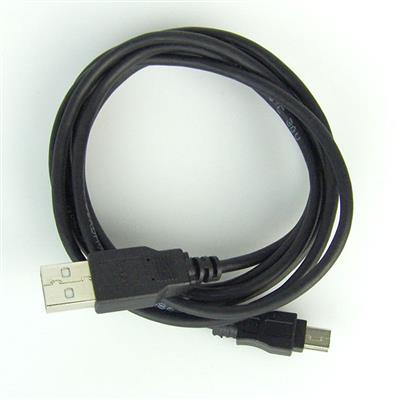
USB cable for connecting instrument with USB-Mini B to a Computer

Allows OBOD to be used in UK BOD bottles
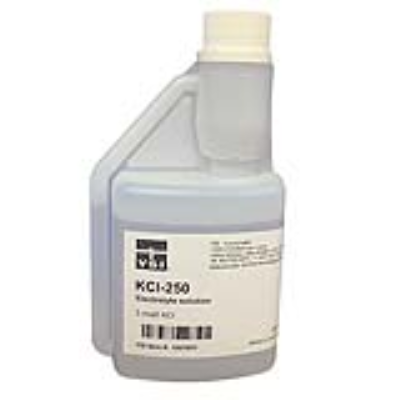
250 mL of solution for refillable lab electrodes
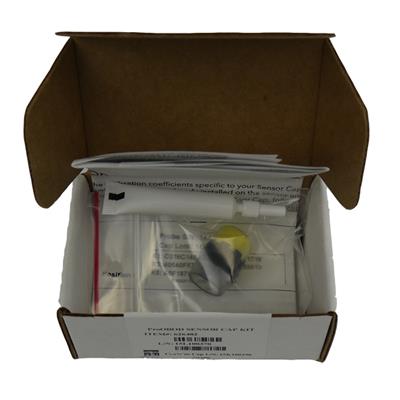
Replacement OBOD Sensor Cap Kit
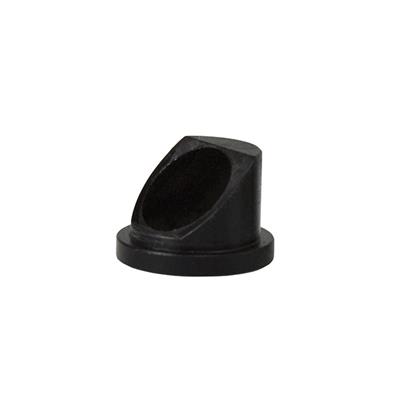
FDO replacement cap for MultiLab 4410 and 4410W sensors
Includes ISE with replaceable sensor module and refillable reference, fill solution, ISA, and high standard.
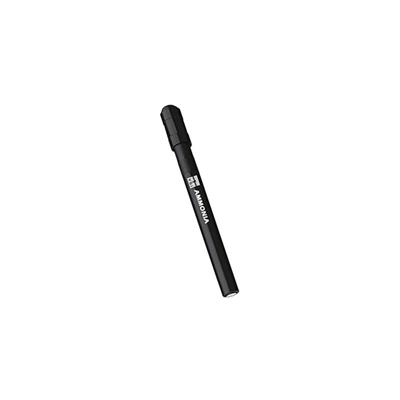
Includes ISE, 2 membrane modules, fill solution, ISA, and high standard.
Includes ISE with refillable reference, fill solution, ISA, and high standard.
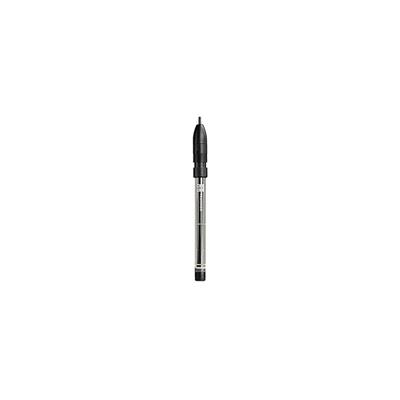
Includes ISE with refillable reference, fill solution, ISA, and high standard.
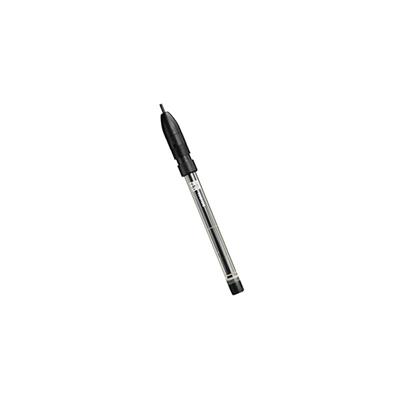
Includes ISE with refillable reference, fill solution, ISA, and high standard.
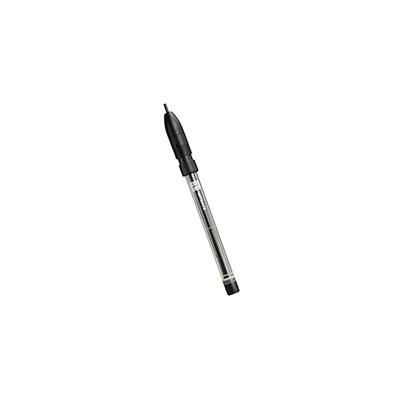
Includes ISE with replaceable sensor module and refillable reference, fill solution, ISA, and high (1000 mg/L) standard.
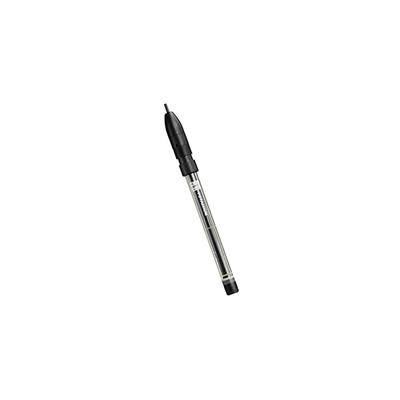
Includes ISE with replaceable sensor module and refillable reference, fill solution, ISA, and high standard.
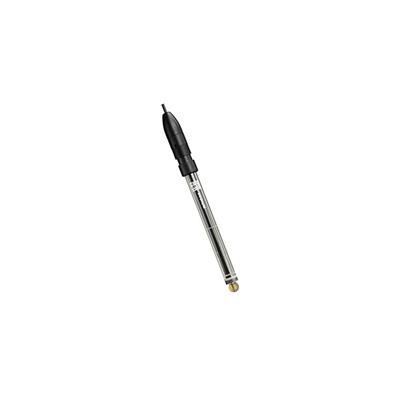
Includes ISE with refillable reference, fill solution, ISA, and high standard.